ORIGINAL READING / Practice planning
INDIA BEAUTY EDUCATOR RESOURCES / CBBEPlan an observation, not an assumption
Write the purpose and your actual role before describing an observed beauty exercise.
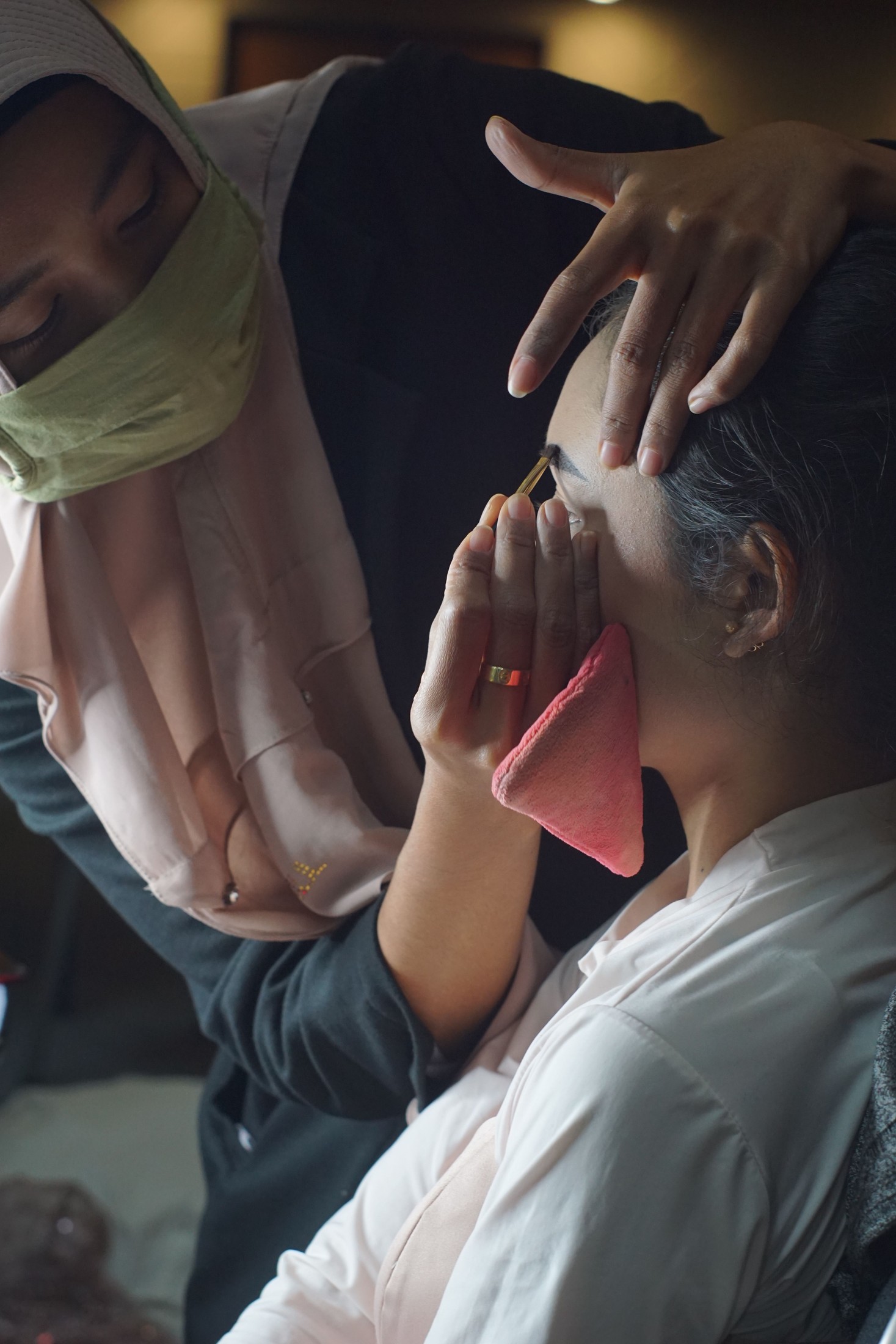
A reading to think with.
A question to take further.
Choose an observable question
Plan a question that can be discussed in the context of the agreed learning activity. It might ask what a visual reference communicates or how a brief was interpreted. The question should fit what you are authorised to observe. Avoid deciding the explanation or desired result in advance and then selecting only the details that appear to confirm it.
Name your actual role
A demonstration, a collaborative exercise and an independent piece of writing involve different contributions. State which setting applies and what you actually did. Watching another person work is a valid context for a question, but it should not be described as performing that work yourself. A clear role statement makes the record easier for an educator or collaborator to interpret.
Keep the agreed boundaries
Record the scope of the activity and the relevant reference without reproducing private client or learner details. Follow the responsible provider’s actual arrangements for practical learning. A personal planning note cannot authorise an activity, replace required guidance or decide whether someone is ready to practise. Where the scope is uncertain, keep a clarification question instead of inventing permission.
Describe what you noticed
Write the observation in language another reader can understand. Distinguish a visible detail or a statement you heard from your own explanation of it. If you did not observe part of the activity, say so. This helps prevent a short record from implying continuous observation, a complete account of the method or a verified result beyond its actual scope.
Keep feedback in context
A comment belongs to the exercise and discussion that prompted it. Note what the feedback addressed and ask before quoting another person publicly. Your interpretation can be recorded as your own understanding. It should remain open to clarification rather than becoming a general rule attributed to the speaker or an approved judgement about a person’s professional competence.
Plan the return conversation
Finish with a specific question to revisit with the appropriate person. It may concern a reference, an interpretation or the next agreed observation. Do not turn a private reflection into a new practical protocol. Keep the question, the original task and the limits of your account together so that the next discussion begins from an accurate shared context.
KEEP THE NEXT QUESTION WITH THE NOTE