ORIGINAL READING / Practice planning
INDIA BEAUTY EDUCATOR RESOURCES / CBBEThe consultation belongs in the learning brief
Keep communication and agreed boundaries visible without publishing personal details.
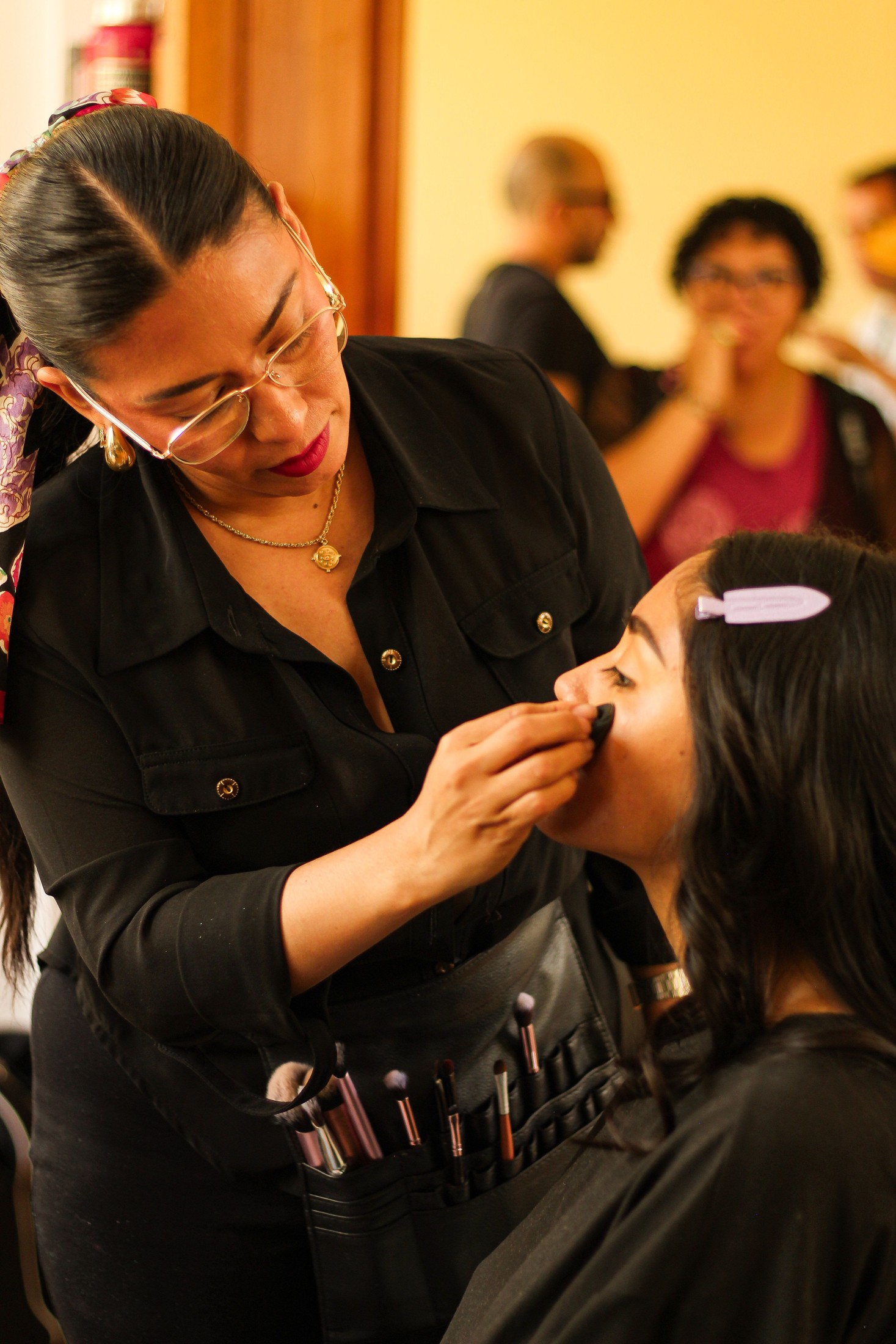
A reading to think with.
A question to take further.
Make communication part of the question
A beauty learning brief can include how an intention was discussed, rather than concentrating only on a finished image. Name the communication question you want to explore. You may be considering how a visual reference was explained or how an agreed scope was recorded. Keep the question focused enough to discuss without revealing private details about the people involved.
Use the authorised context
State whether the account concerns an agreed educational exercise, an illustrative written scenario or an observation you were permitted to make. These settings should not be blended into a story that sounds like a reported client case. An invented example can clarify a question when labelled as an example. It should not be presented as an actual institutional service or success story.
Listen without writing a diagnosis
A record can acknowledge a person’s stated preferences and questions without turning a learning note into a medical or personal assessment. Leave matters requiring qualified advice with the appropriate professional. The purpose here is to understand the communication context, not to infer conditions, prescribe products or publish conclusions about a person from a short conversation or photograph.
Keep boundaries explicit
An agreed brief has a scope. If a question falls outside it, record the need for clarification rather than assuming that an earlier conversation authorised every later use or activity. The responsible provider’s actual arrangements still apply to practical learning. A private reflection can help prepare a discussion, but it does not grant consent or substitute for the appropriate process.
Remove unnecessary personal detail
Choose the information that helps explain the learning question. Names, contact details, private histories and identifying images may add risk without improving the educational account. Keep confidential records in the authorised system rather than this writing tool. A reflection can preserve the communication question while omitting the personal circumstances that made the original conversation distinctive.
Ask what needs confirmation
End by naming the point that should be checked with the appropriate person. It might concern the meaning of the brief, the scope of an observation or the use of a proposed portfolio image. A precise return question makes a later discussion easier. Keep the account open to correction rather than treating your initial interpretation as the final shared agreement.
KEEP THE NEXT QUESTION WITH THE NOTE